Roof Conditions Assessed Without Sugarcoating the Findings
Roof inspection in Decatur for residential and commercial properties needing an honest evaluation of current condition
Properties throughout Northern Alabama benefit from periodic roof inspection not because of any single weather event but because of how the residential and commercial buildings in the region were constructed and what those construction methods mean for long-term performance. Many of the homes and commercial structures across Morgan County were built with roofing systems that relied on adhesive-bonded shingles and exposed-fastener metal panels—systems that develop specific, identifiable failure patterns as they age. Rodriguez Roofing & Remodeling LLC performs detailed roof inspections in Decatur that examine both the surface and the underlying structure, with written findings that describe exactly what was found and what it means for the roof's continued serviceability.
The inspection covers the roof surface, flashing at all transitions and penetrations, gutters, and visible fasteners. Where attic access is available, the inspection extends to the decking and framing below, examining for water trails, soft spots, and rot that do not show up in a surface-only examination. On metal roofing, fastener condition and standing seam integrity are assessed at the field and at the edges. The written report produced at the end details current condition and recommended actions—it does not omit problems that require expensive repairs, and it does not recommend work that is not supported by the findings.
To schedule a thorough inspection with a written summary, call Rodriguez Roofing & Remodeling LLC at 256-280-1510.
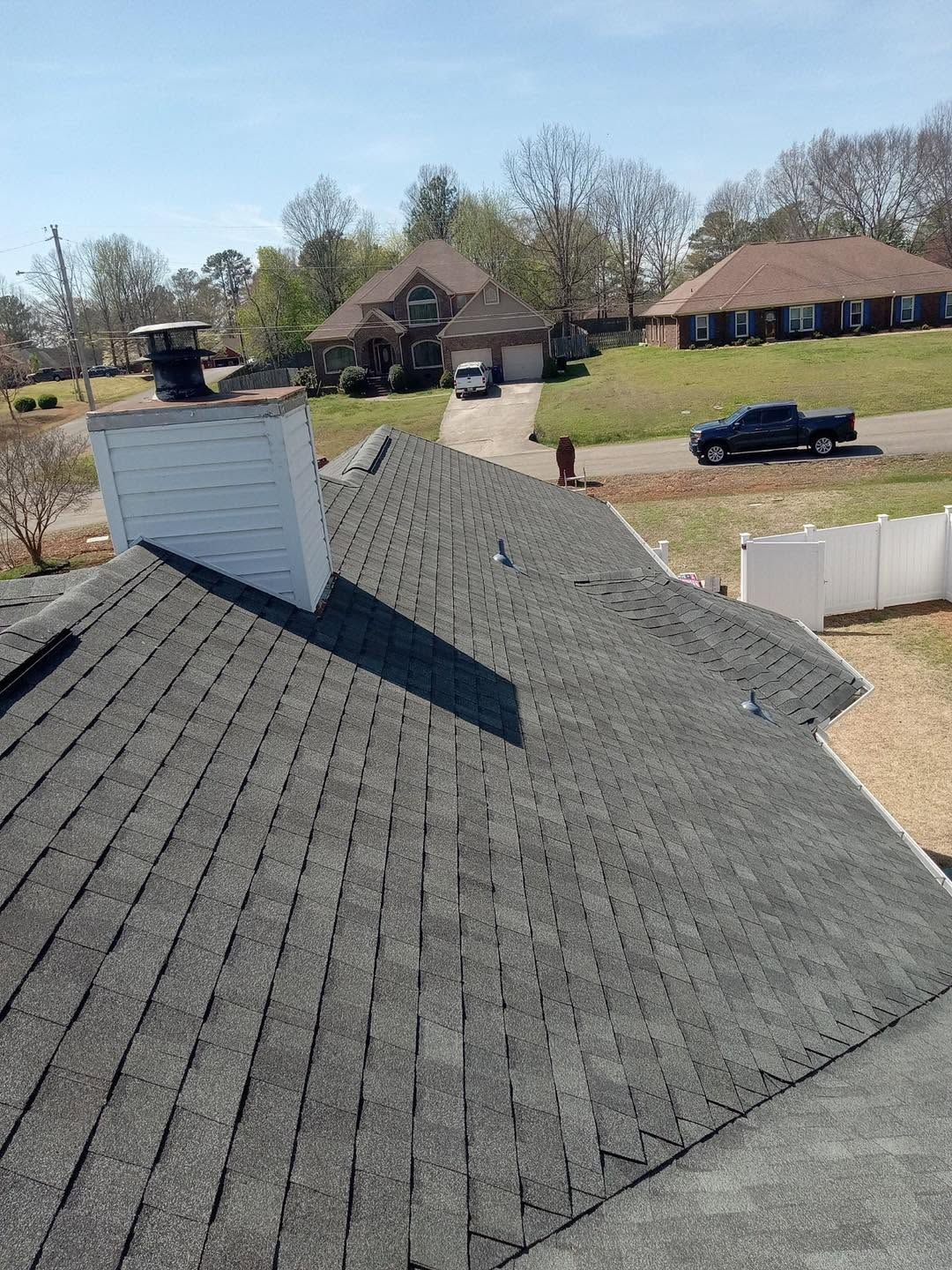
What a Thorough Roof Inspection Actually Covers
A surface inspection without attic access can identify visible surface conditions—granule loss, obvious shingle curling, surface-level hail impact—but it cannot confirm whether water has already entered the structure and traveled along the decking to a point not visible from above. The attic component of the inspection fills that gap by examining the underside of the decking for moisture trails, which appear as dark streaking or staining on the wood along framing members. Those trails map the path water has taken, which identifies both the entry point and the extent of any existing moisture damage.
At the conclusion of the inspection, you receive a written report that covers surface condition, flashing integrity, fastener status, and any moisture evidence found in the structure. The report states what requires immediate attention and what can be monitored. That distinction is important: not every finding requires immediate repair, and a credible inspection differentiates between active problems and conditions worth watching.
The inspection fee is a flat charge and is separate from any repair estimates. If the inspection findings indicate repair work, those estimates are provided as a distinct item so you can evaluate each recommendation independently. Rodriguez Roofing & Remodeling LLC has 20 years of roofing service in Northern Alabama and is licensed and insured.
Common Questions About the Roof Inspection Process
The following questions address what happens during a roof inspection and how to interpret the findings—relevant for both shingle and metal roofing systems on the residential and commercial properties commonly found in Decatur and throughout Morgan County.
What does the inspector look for on the roof surface during a shingle inspection?
The surface examination checks for granule displacement concentrated in specific areas—which can indicate hail impact points—along with shingle adhesive condition at the exposed lower tab edge, nail backing or pop-through visible at the surface, and flashing seal integrity at chimneys, vents, and roof-to-wall transitions.
Why is the attic component of an inspection necessary rather than optional?
Water entry on the roof surface rarely produces a leak directly below the penetration point. Water travels along framing members and decking before dropping through a ceiling, so the interior evidence and the roof entry point are often separated by several feet. The attic inspection traces the moisture trail backward to the actual penetration, which a surface-only inspection cannot identify.
How is fastener condition assessed on a metal roof during an inspection?
Each exposed fastener is checked for whether the rubber sealing washer has compressed correctly and maintained contact with the panel surface. A fastener that has backed out even slightly will show a visible gap between the washer and the metal—this is the specific failure condition that allows water entry at the fastener location, and it is only identifiable by close examination at the panel field and edges.
What does the written inspection report include and how should you use it?
The report itemizes each area examined, describes the condition found, and states whether the condition requires immediate repair, monitoring, or no action. Use it to prioritize work in order of urgency—active moisture entry and compromised flashing are immediate concerns; minor surface wear on otherwise sound material is a future planning item.
How does the age and construction type of a building affect what the inspection focuses on?
Older residential structures in Decatur often have decking installed with smooth-shank nails that hold less securely than ring-shank fasteners used in later construction—these roofs are more likely to show nail backing as the decking dries and shrinks over decades. Inspection of these properties pays particular attention to fastener condition and the seal around each nail penetration at the surface.
Rodriguez Roofing & Remodeling LLC also performs roof inspections in Tanner, Flint City, Priceville, Hartselle, and Triana. To get a written assessment of your roof's current condition, call 256-280-1510 to set up a visit.